




Rock Anthems for Road Trips: A Checklist for Building the Ultimate UK Driving Playlist
How to build a rock playlist that actually works on a long UK drive, from tempo and pacing to route-specific picks and the practical checks to make before you set off.
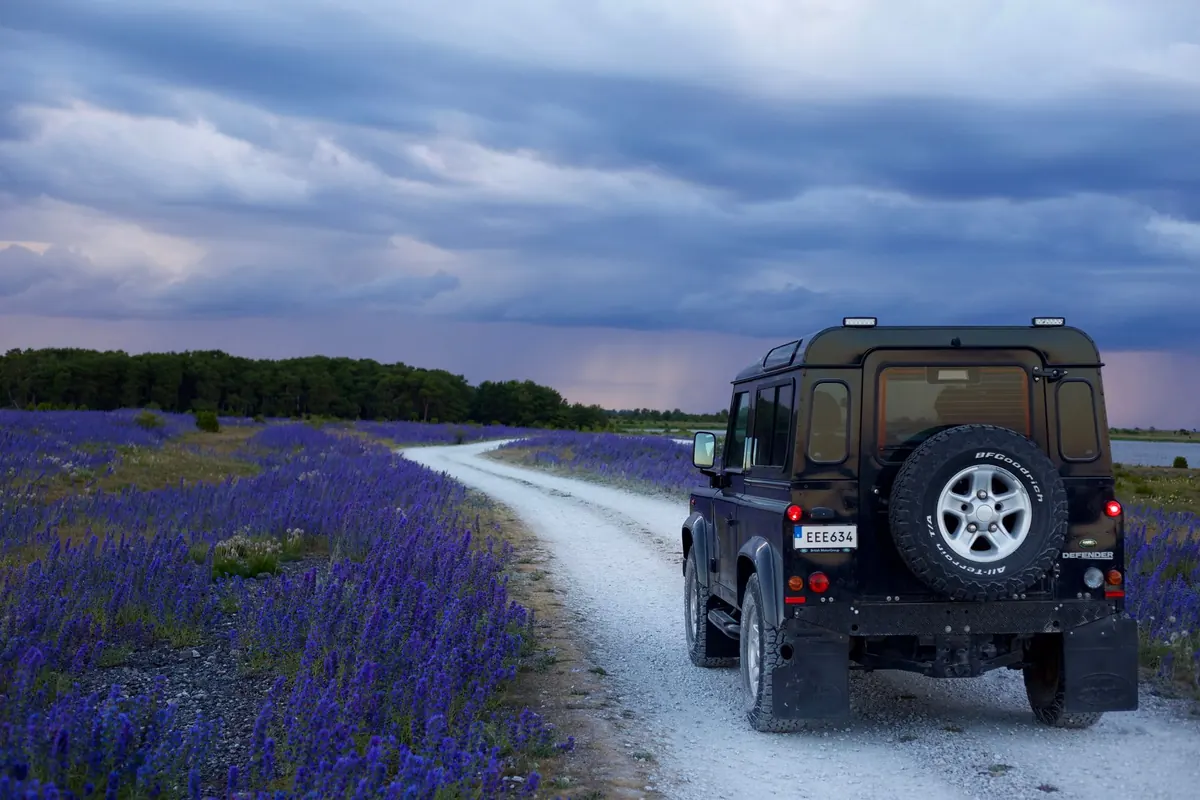
A three-hour drive with your phone on shuffle is not a playlist. The difference is intent. A road-trip list is built for how songs behave in a car — how they start when you're merging onto the M6, how they sit behind a conversation, and how they land when the tank is half empty and the last hour is dragging. Rock anthems do this job better than most genres, but only if you choose them for the road rather than for the stereo at home.
What a Rock Anthem Actually Needs in a Car
Most "best driving songs" lists are just good songs with a car in the video. The tracks that genuinely earn their place on a long drive share a handful of qualities, and it's worth checking each candidate against them before it goes anywhere near the running order.
- A chorus you can hit without thinking. If you need the second verse to remember the words, it's a passenger track.
- A hook inside the first 45 seconds. Long, atmospheric intros are for sitting still. On the road you want the song to arrive quickly.
- A steady tempo. Somewhere around 110–140 beats per minute suits a cruising speed: quick enough to keep you alert on a dull bypass, settled enough that it doesn't nag. Slower, grander tracks work, but ration them.
- A proper dynamic jump. Quiet verse, loud chorus, quiet again. That push-and-pull gives a long drive a pulse instead of a flat wall of noise.
- Sensible length. Anything past six minutes needs to justify itself. Queen's "Bohemian Rhapsody" is the traditional exception; most others aren't.
- Shared familiarity. The best moments in a car are the ones where everyone joins in, badly, on the second chorus.
- Low attention demand. Nothing that makes the driver work to follow the story. Save the knotty lyrics for the passenger seat.
Give the Drive a Shape, Not Just a List
Forty bangers back to back is exhausting and, oddly, forgettable. Treat a long drive like a set and let the energy rise and fall across the journey. A rough four-part structure works for almost any trip over two hours.
Leg one: the warm-up (first 30 minutes)
You're still settling. Traffic, directions, the argument about whether to stop at the next services. Keep it mid-tempo and familiar: Stereophonics' "Dakota", Feeder's "Buck Rogers", Oasis' "Live Forever". Nothing that peaks before you've left the county.
Leg two: the motorway hours
This is the stretch that needs carrying. Propulsive, groove-led rock with a steady pulse does the work — Thin Lizzy's "The Boys Are Back in Town", Kasabian's "Fire", Foo Fighters' "Everlong", The Cult's "She Sells Sanctuary". The songs should feel like they're moving with you rather than at you.
Leg three: the scenic stretch
When the road stops being a corridor and starts being the point — the A82 through Glencoe, the A470 across mid-Wales, the climb up to Bealach na Bà — slow the tempo slightly and go bigger. Biffy Clyro's "Mountains", Muse's "Knights of Cydonia", The Verve's "Bitter Sweet Symphony". These are the tracks you'll remember driving to.
Leg four: the singalongs and the landing
Last hour, everyone's tired and a bit giddy. This is where the obvious ones belong: "Don't Stop Me Now", "Mr Brightside", "I Bet You Look Good on the Dancefloor", Sam Fender's "Seventeen Going Under". Then finish with one quieter track you all like. Arriving somewhere still wired from a wall of guitars is a poor way to start a weekend.
UK Picks That Suit Particular Roads
Pairing is half the pleasure. A few combinations that hold up well:
- M6 north through Cumbria: Thin Lizzy, Rainbow, early Queen. Big choruses for long sightlines and long hours.
- A82 and the Highlands: Biffy Clyro, Mogwai at a push, Led Zeppelin's "Rock and Roll" for the open stretches. Keep something calmer in reserve for single-track passing places.
- Snake Pass and the Peak District: Motörhead's "Ace of Spades" if you like your scenery with a side of adrenaline; The Stone Roses if you don't.
- A38 and A30 down to Cornwall: The Darkness, Ash, The Killers — bright, fast and slightly silly, which is exactly right for a holiday run.
None of this is law. The only test that matters is whether the track makes the next twenty miles better than the last twenty.
Before You Set Off: Six Practical Checks
- Build it the night before. Playlists assembled at a petrol station forecourt always end up as the same eight songs.
- Download everything. Signal drops in the Highlands, mid-Wales, the Pennines and most of Devon. Streaming and DAB will cut out at exactly the wrong moment.
- Test it through the car speakers. A track that sounds rich on headphones can turn thin and tinny against motorway road noise. Save the delicate mixes for the passenger's earbuds.
- Fix the running order. Shuffle destroys pacing. If you must shuffle, build four short playlists — one per leg — and shuffle within them.
- Leave room for other people. Reserve five or ten slots for passenger picks. It costs you nothing and buys a lot of goodwill.
- Cut anything you skip twice. A track that gets skipped on two separate drives will get skipped forever. Be ruthless; a tight 70-song list beats a flabby 200.
Ready to Roll
Keep a charging cable in the glovebox, a backup on a memory stick if your car takes one, and a couple of albums you know inside out for when the connection fails entirely. Aim for roughly four minutes per track when you're working out how much music you need — a six-hour drive wants somewhere near ninety songs, plus a bit of slack for traffic.
Then leave it alone. The best driving playlist is the one you stop fiddling with, because the point of the music on a long drive isn't curation. It's the moment three people in a car forget the argument about the service station and start singing the same line at the same time.
Photo: Viktor Lundberg / Pexels