



Why 'God Save the King' Has Different Lyrics in Scotland and Wales: A Regional Explainer
The UK has one official anthem, but Scotland and Wales sing their own at home-nation events. Here's where the words genuinely change — and where they don't.
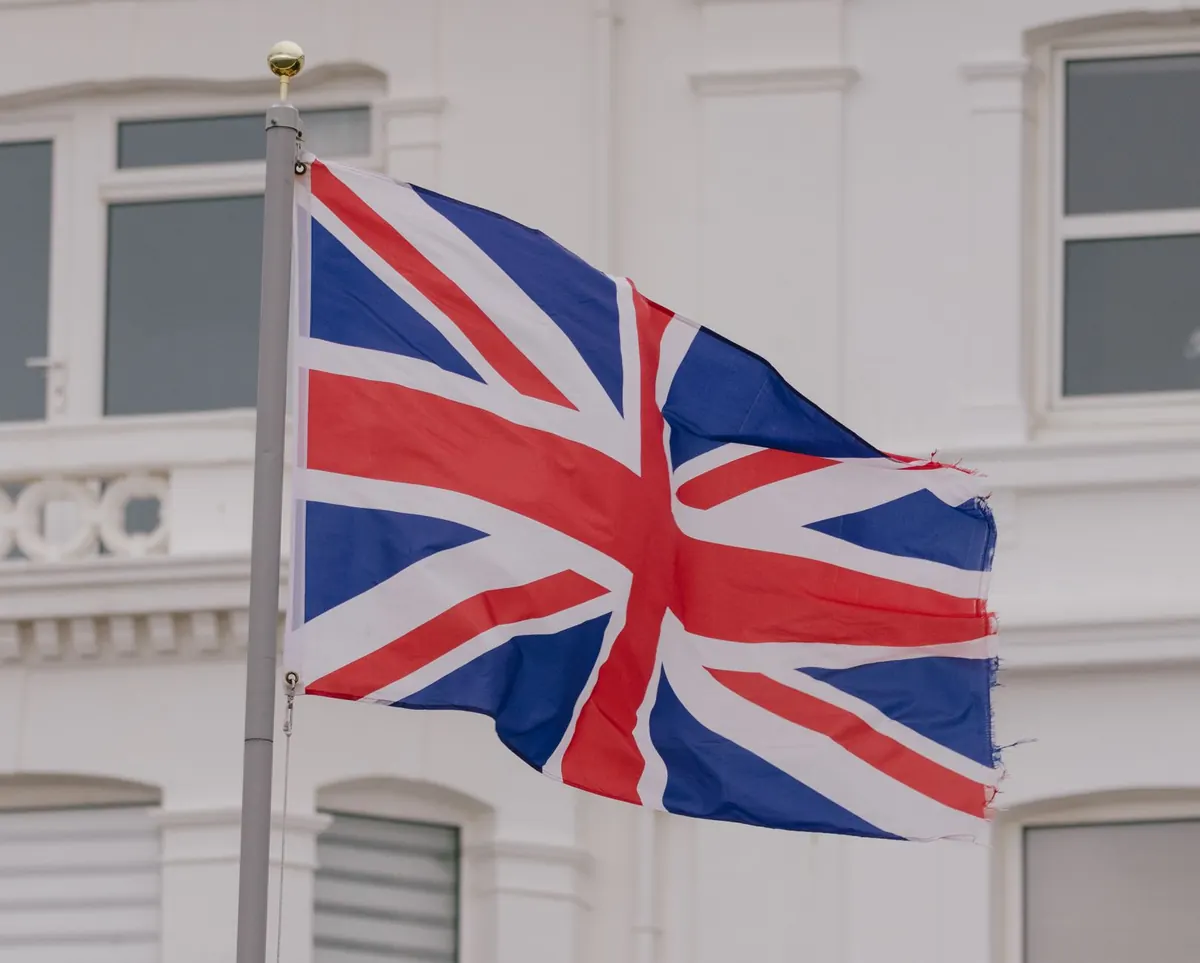
There's a moment before every Scotland or Wales international when the crowd decides, without being asked, what the anthem will be. At Hampden it is Flower of Scotland. At Cardiff's Principality Stadium it is Hen Wlad Fy Nhadau, sung in Welsh, often unaccompanied, the last line held far longer than written. And the national anthem of the United Kingdom is God Save the King. Both things are true at once — and once you understand how the anthem actually works, most of the confusion about "different lyrics" clears up quickly.
The short answer: there is no Scottish or Welsh edition of the anthem
God Save the King is the UK's anthem by convention, not by law. No Act of Parliament names it and no single authorised text exists; it has been printed, trimmed and reworded for more than 250 years. That long, untidy history is exactly why people assume an official Scottish version and an official Welsh version must be filed away somewhere.
There isn't one. Scotland has no statutory national anthem, and neither does Wales. What both have instead is a song adopted by their sporting bodies and their crowds, sung whenever the occasion belongs to them rather than to Westminster. When you hear different words to a UK anthem, you are almost always hearing a different anthem.
Where the words of God Save the King really do change
The one variation nobody can avoid is the monarch. Between 1952 and 2022 the opening ran "God save our gracious Queen, long live our noble Queen". Since the accession of Charles III it is:
"God save our gracious King, / Long live our noble King, / God save the King."
Everything downstream shifts with it: "send her victorious" becomes "send him victorious". If you are working from a hymn book, a school song sheet or a backing track recorded before 2022, that is the first thing to check.
The verses nobody sings any more
Older printed versions include a verse wishing confusion on "rebellious Scots" — a line tied to the Jacobite rising of 1745 and dropped from public performance long ago. Another asks God to "scatter our enemies" and "frustrate their knavish tricks". Both survive in historical collections; neither belongs in a modern ceremony. In Scotland the "rebellious Scots" line is one reason the anthem has never felt entirely at home, and in practice almost every event sings a single verse.
One more curiosity: the tune travelled. It became the melody of the American patriotic song My Country, 'Tis of Thee, and of Liechtenstein's anthem. Few melodies have been borrowed so widely, which tells you how loosely this tradition has always been held.
Scotland: Flower of Scotland and its rivals
Scotland's anthem question is settled by crowds rather than statute. Flower of Scotland, written by Roy Williamson of the Corries in the 1960s, took hold at Murrayfield in the early 1990s and has been the rugby team's anthem since; the football team uses it as well. It has never been universally loved — some argue that a lament about Bannockburn is a strange way to begin a modern match — so rival candidates resurface regularly:
- Scotland the Brave — the pipe tune many older supporters still associate with the team.
- Scots Wha Hae — Burns's words set to an old tune, often proposed as a more literary choice.
- A Man's a Man for a' That — sung at the opening of the Scottish Parliament in 1999.
- Highland Cathedral — an instrumental heard at many sporting and ceremonial occasions.
God Save the King has not vanished from Scotland, though. It is played when Scottish athletes compete for Team GB at the Olympics, at Remembrance events, at royal ceremonies, and at military occasions the length of the country.
Wales: Hen Wlad Fy Nhadau, and why it stuck
Wales's anthem has an author and a date. Hen Wlad Fy Nhadau — "Land of My Fathers" — was written in Pontypridd in 1856, with words by Evan James and music by his son James James. Welsh rugby crowds at Cardiff Arms Park took it up in the early 20th century, and the popular account traces the habit to the 1905 match against the touring New Zealand side, when the singing answered the haka. Whatever the exact trigger, the effect was permanent.
It is now the anthem of the Wales football and rugby teams, of Welsh athletes at the Commonwealth Games, and of countless school and chapel occasions. Welsh-language versions of God Save the King have been made and are occasionally sung at civic events, but they have never seriously challenged Hen Wlad Fy Nhadau in public affection. When Welsh supporters say "the anthem", they mean the Welsh one.
Where God Save the King still does the job UK-wide
The UK anthem has not been displaced; it shares the calendar. It remains the right choice at:
- State and royal occasions — coronations, state openings, Trooping the Colour, Remembrance services.
- Olympic events involving Team GB, where Scottish and Welsh athletes compete under one flag.
- Northern Ireland football internationals, where it is still the anthem of choice.
- Ceremonial and military occasions representing the United Kingdom rather than a home nation.
The pattern is the point. Where the team or institution is a home nation, the home nation's song is played. Where it is the United Kingdom, God Save the King is played. At rugby, the island-wide Ireland team uses Ireland's Call alongside the Irish anthem in Dublin — a reminder that anthem protocol in these islands is settled by each governing body, not by a central rulebook.
Getting it right on the day
If you are running an event, choosing music for a match or simply standing up to sing, a few checks will save an awkward moment:
- Ask whose occasion it is. Home-nation event: use the home nation's anthem. UK-wide event: use God Save the King.
- Check the recording date. Anything recorded before September 2022 will be singing about a Queen. Choose a post-2022 version, or a live musician.
- Stick to one verse unless your ceremony explicitly calls for more. The first verse is what everyone knows.
- Print the words you expect. Welsh and Scots audiences sing from memory, but visiting choirs and congregations often need Hen Wlad Fy Nhadau in front of them.
- Leave the historical verses out. The "rebellious Scots" line belongs in a footnote, not a public performance.
- Ask when protocol matters. For civic or ceremonial events, the local lord-lieutenant's office, the Scottish Government or the relevant sporting body will confirm the correct order and version.
Learn both traditions — the UK anthem and the song each home nation sings when the day is its own — and you will get the moment right wherever you are standing.
Photo: Ellie Burgin / Pexels